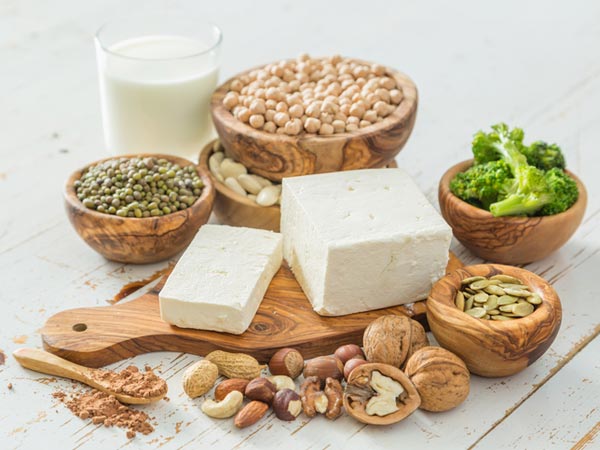
Building Muscle on a Vegetarian Diet: Advanced Strategies and Sustained Growth
Embarking on a journey to build muscle while adhering to a vegetarian diet is not just possible; it's a path many successful athletes and bodybuilders have proven effective. If you've been following our series, you already know the fundamentals of plant-based protein and its crucial role. In building muscle on a vegetarian diet - Article 1, we delved into essential protein sources, and building muscle on a vegetarian diet - Article 2 provided valuable insights into meal planning and overcoming common challenges. Now, as we progress to Article 3, it's time to refine your approach. This piece will focus on optimizing your nutrition, strategic supplementation, advanced training principles, and sustaining long-term progress to truly maximize your potential for building muscle on a vegetarian diet.
Optimizing Your Vegetarian Macronutrient Ratios for Peak Muscle Growth
While understanding your protein sources is foundational, truly mastering your diet for muscle gain involves a deeper dive into macronutrient ratios. It's not just about eating enough; it's about eating the right balance for your body and goals.
- Protein Precision: Aim for 1.6 to 2.2 grams of protein per kilogram of body weight daily. For someone weighing 70kg, this translates to 112-154g of protein. Distribute this intake throughout the day across 4-6 meals to ensure a steady supply of amino acids for muscle repair and growth. Remember to vary your protein sources – combining legumes with grains (e.g., rice and beans), soy products, nuts, and seeds ensures you get a complete amino acid profile.
- Carbohydrate Powerhouse: Carbohydrates are your primary energy source, fueling intense workouts and aiding recovery. Target 4-6 grams per kilogram of body weight. Focus on complex carbohydrates like whole grains (oats, quinoa, brown rice), sweet potatoes, and root vegetables. These provide sustained energy and essential fiber. Incorporate faster-digesting carbs (like fruits) around your workouts for immediate energy and glycogen replenishment.
- Healthy Fats for Hormonal Balance: Fats are vital for hormone production (including testosterone, crucial for muscle growth), nutrient absorption, and overall health. Aim for 0.8-1 gram per kilogram of body weight. Prioritize healthy unsaturated fats found in avocados, nuts (almonds, walnuts), seeds (chia, flax, hemp), and olive oil. Don't shy away from healthy fats; they're calorie-dense and essential for a thriving metabolism.
To effectively manage these ratios, consider using a food tracking app for a few weeks. This will help you understand typical portion sizes and nutritional content, enabling you to make informed adjustments to your daily intake for optimal building muscle on a vegetarian diet.
Strategic Supplementation for Vegetarian Bodybuilders
While a well-planned whole-food vegetarian diet can provide most nutrients, certain supplements can offer an edge, especially when training intensely for muscle gain. However, always view supplements as an enhancement to your diet, not a replacement.
Essential for Vegetarians:
- Vitamin B12: Exclusively found in animal products, B12 is crucial for nerve function and red blood cell formation. A supplement (e.g., cyanocobalamin) is non-negotiable for vegetarians.
- Vitamin D: While some is obtained from sun exposure, many people (especially those in less sunny climates or with limited outdoor time) are deficient. Vitamin D is important for bone health, immune function, and potentially muscle function. Look for D3 from lichen sources if avoiding lanolin (sheep's wool).
- Iron: Vegetarians need to be mindful of iron intake, especially menstruating women. Plant-based iron (non-heme) is less readily absorbed. Pair iron-rich foods (lentils, spinach, fortified cereals) with Vitamin C to enhance absorption. A supplement might be considered if deficiencies are detected via blood tests.
- Omega-3 Fatty Acids: While flaxseeds and chia seeds provide ALA (alpha-linolenic acid), the conversion to the crucial EPA and DHA can be inefficient. Algae-based DHA/EPA supplements are an excellent way to ensure adequate intake for brain health, cardiovascular health, and reducing inflammation.
Beneficial for Muscle Growth:
- Creatine Monohydrate: One of the most researched and effective supplements for muscle strength and power. It's naturally found in meat but can be easily supplemented in a vegetarian diet.
- Plant-Based Protein Powder: Convenient for hitting protein targets, especially post-workout or when whole food options are limited. Look for blends (pea, rice, hemp, soy) to ensure a complete amino acid profile.
- Beta-Alanine: Can help improve high-intensity exercise performance and reduce fatigue, allowing for more reps and sets.
Always consult with a healthcare professional or a registered dietitian before starting any new supplement regimen, especially when aiming for building muscle on a vegetarian diet.
Advanced Training Principles for Vegetarian Muscle Builders
A well-structured training program is just as critical as your diet for muscle hypertrophy. Simply going to the gym isn't enough; you need to train intelligently.
- Progressive Overload: This is the fundamental principle of muscle growth. To get stronger and bigger, you must continually challenge your muscles. This means progressively increasing the weight lifted, performing more repetitions or sets, reducing rest times, or increasing training frequency over time. Without progressive overload, your muscles have no reason to adapt and grow.
- Volume and Intensity: Find the right balance. High volume (more sets and reps) combined with moderate intensity (challenging but not maximal weight) is generally effective for hypertrophy. However, incorporating periods of higher intensity (heavier weights, lower reps) can also stimulate growth and strength adaptations.
- Focus on Compound Movements: Prioritize exercises that work multiple muscle groups simultaneously, such as squats, deadlifts, bench presses, overhead presses, and rows. These movements allow you to lift heavier weights and stimulate a greater anabolic response.
- Periodization: Introduce variation into your training over cycles (e.g., 4-6 weeks of higher volume, followed by 2-3 weeks of higher intensity, then a deload week). This prevents plateaus, reduces the risk of overtraining, and keeps your body adapting.
- Prioritize Recovery: Muscle growth happens outside the gym. Aim for 7-9 hours of quality sleep per night. Incorporate active recovery (light cardio, stretching, foam rolling) to improve blood flow and reduce soreness. Remember, intense training coupled with inadequate recovery is a recipe for overtraining, not growth.
- Consistency is King: No single workout or diet plan will give you results overnight. Stick to your program, be consistent with your diet, and trust the process.
Overcoming Common Hurdles and Sustaining Progress
The initial enthusiasm for building muscle on a vegetarian diet can be high, but long-term success requires navigating plateaus and staying motivated.
- Breaking Plateaus: If your progress stalls, re-evaluate. Are you consistently applying progressive overload? Have your macros changed with your body weight? Is your sleep and stress management adequate? Sometimes a deload week (reducing training intensity/volume) can help your body recover and come back stronger. Other times, a minor change in your exercise selection or rep ranges can shock your muscles into new growth.
- Meal Prep and Variety: To avoid burnout and ensure you hit your targets, dedicate time to meal prepping. Cook large batches of grains, legumes, and roasted vegetables. Experiment with diverse vegetarian recipes to keep your diet exciting and nutritionally complete.
- Social Situations: Eating out or attending gatherings can be challenging. Plan ahead by checking menus online or bringing your own vegetarian options if appropriate. Don't be afraid to politely explain your dietary choices.
- Listen to Your Body: Pay attention to signs of overtraining (persistent fatigue, poor sleep, decreased performance). Adjust your training or diet as needed. Regularly monitor your energy levels, mood, and digestion.
- Track More Than Just Weight: While the scale is one metric, also track strength gains, body measurements, progress photos, and how your clothes fit. This provides a more holistic view of your progress and helps maintain motivation during phases where scale weight might not change much.
Conclusion
Building muscle on a vegetarian diet is a thoroughly achievable and rewarding endeavor. By meticulously optimizing your macronutrient intake, strategically incorporating beneficial supplements, and applying advanced training principles like progressive overload and periodization, you can sculpt the physique you desire. Remember, consistency, patience, and a commitment to understanding your body's needs are paramount. Embrace the journey, continuously learn, and celebrate every milestone on your path to a stronger, healthier, and more muscular vegetarian you.
